PETERMAYER · Brand ImmersionFarmer’s Home Furniture
A PETERMAYER field report
Finding the heart of Farmer’s Home Furniture.
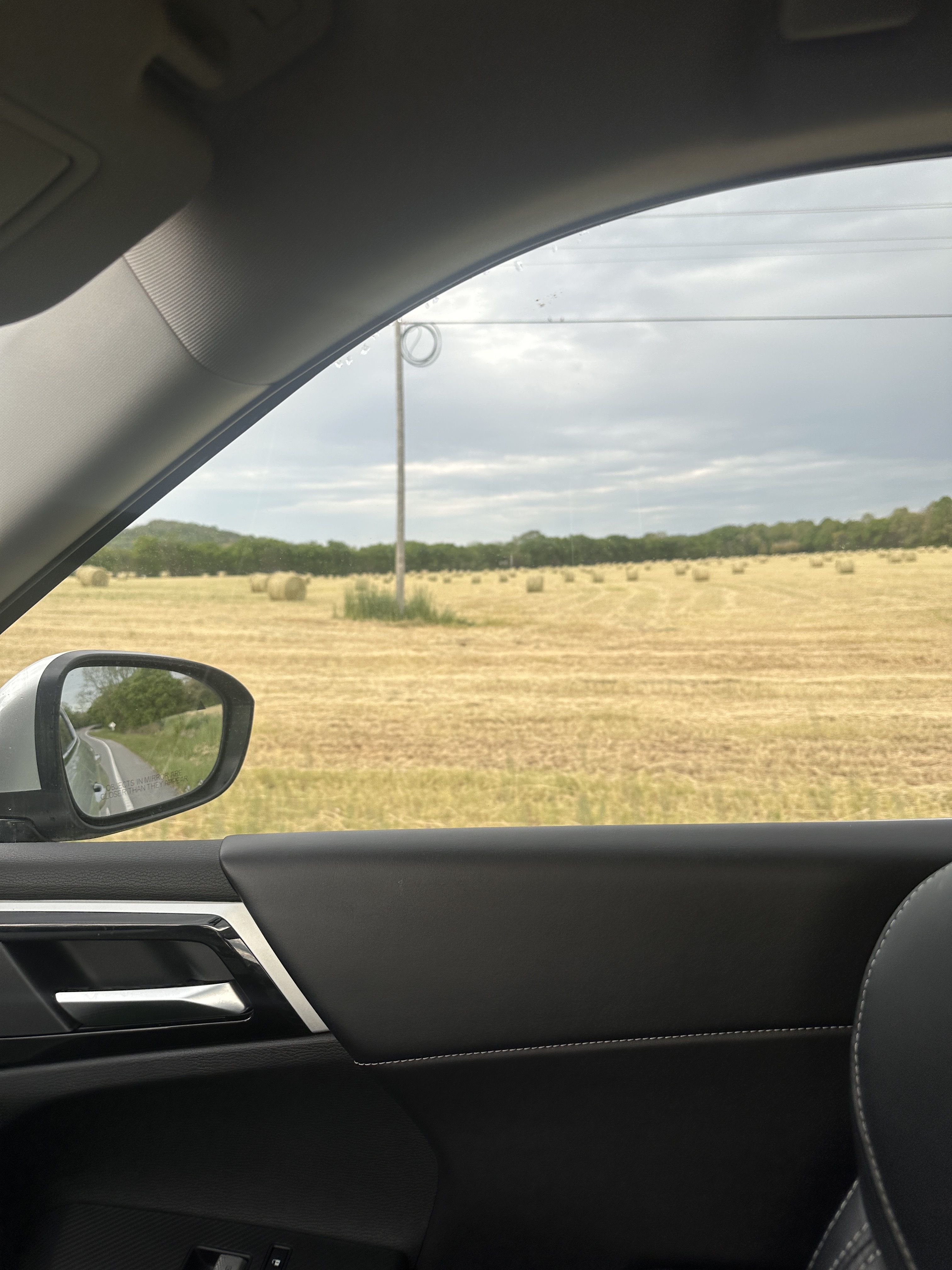
Driving down a two-lane road outside Tullahoma, Tennessee, we were reminded why we’re here.
A mother and father crouched beside their child, showing her how to sow the seeds in her hand into a clear patch of ground.
Together, they were planting something.
Stores visited
24 locations
From country two-lanes to strip-mall anchors — a cross-section of the brand's real front door.
Territory
5 states
Tennessee, Alabama, Georgia, South Carolina, and Florida — the Southern heartland Farmer's Home calls home.
TennesseeAlabamaGeorgiaSouth CarolinaFlorida
On the road
Hundreds of miles of America
Two-lane corridors, small-town main streets, hayfields and pine — the country where the brand's name still does real work.
Stores visited
24 locations
From country two-lanes to strip-mall anchors.
Territory
5 states
Tennessee, Alabama, Georgia, South Carolina, Florida.
On the road
Hundreds of miles
Two-lane corridors and small-town main streets.
Findings
6 chapters
Plus an appendix mapping every store we visited.
Finding the Heart of Farmer’s Home FurniturePETERMAYER FIELD REPORT
01 / The drive
One Brand: Farmer's Home Furniture.
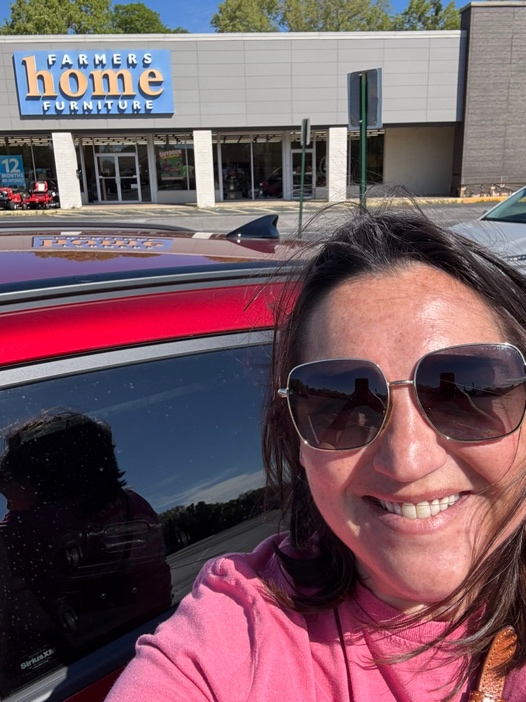
We drove to the stores, the parking lots, the side roads, the strip centers, and the small-town corridors where Farmers Home actually lives.
At PETERMAYER, our first step is to get out and live your brand. We call this immersive process ALL IN.
Practically speaking, we want to guarantee that we are “day 1 ready” to jump into your business. But equally critical, we want to assure that the insights and ideas we present are tied to the authentic brand and its greatest potential to build both love and sales.
02 / The houses
The houses that are Farmers Home Furniture.
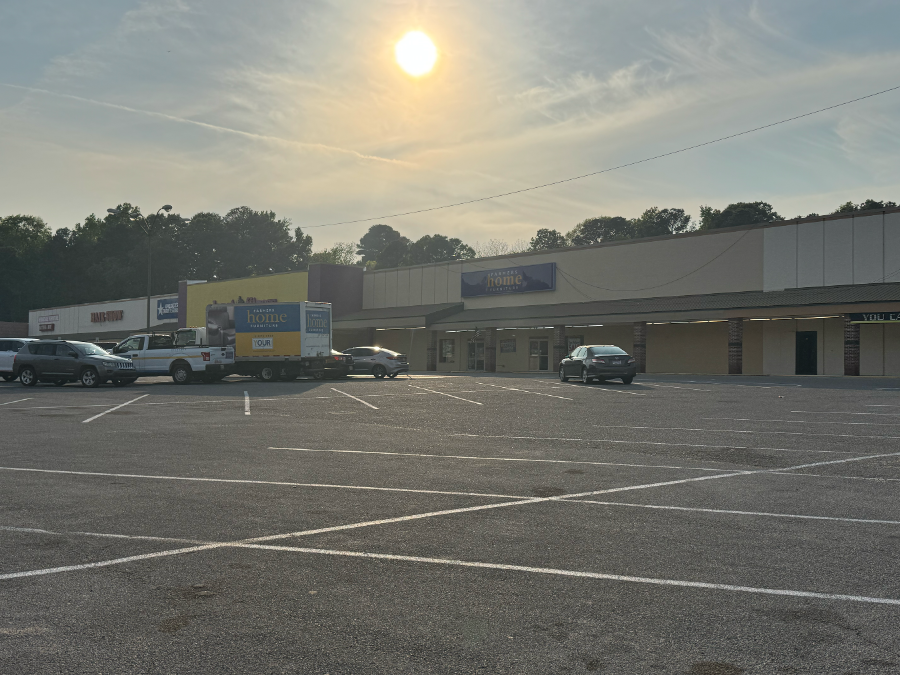
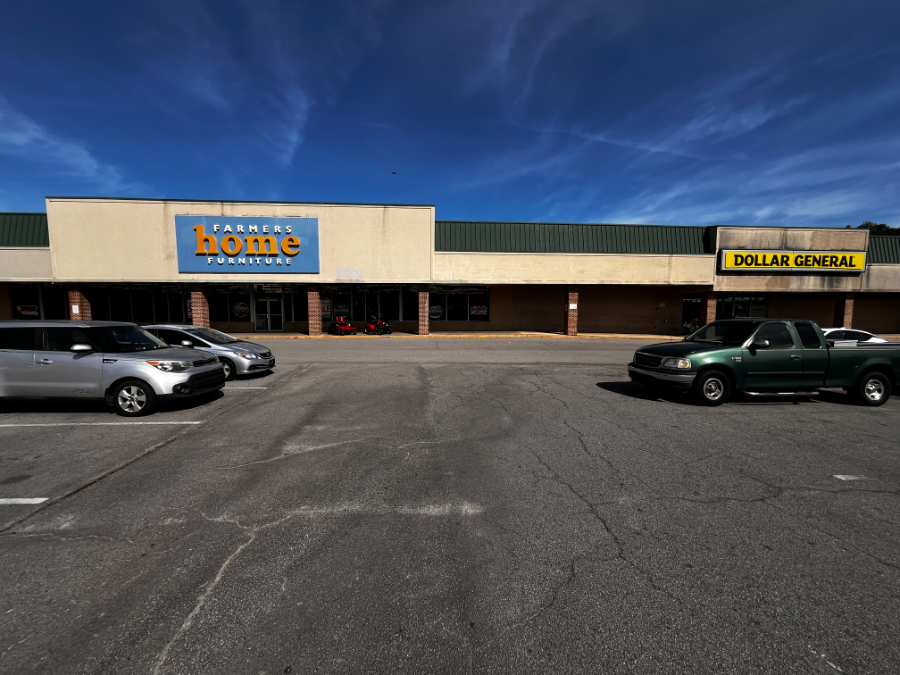
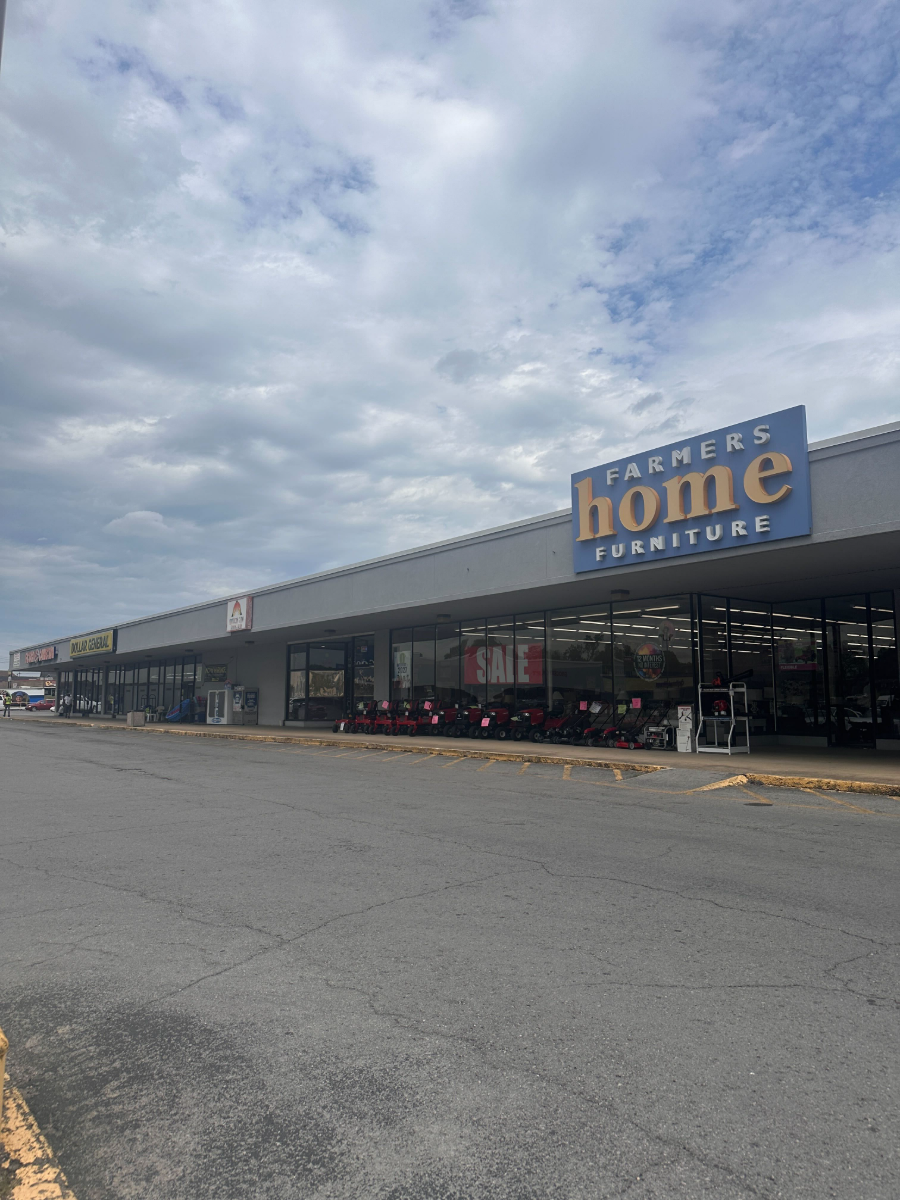
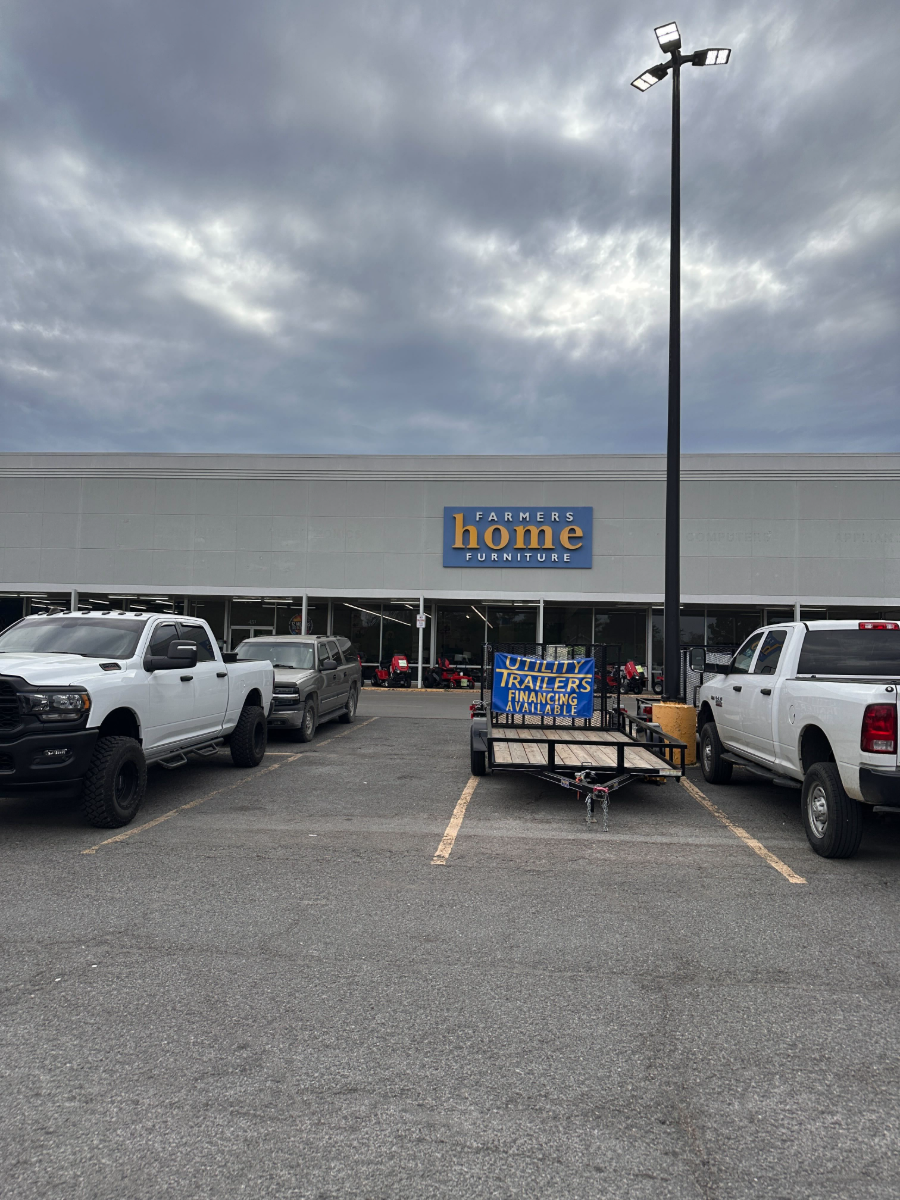
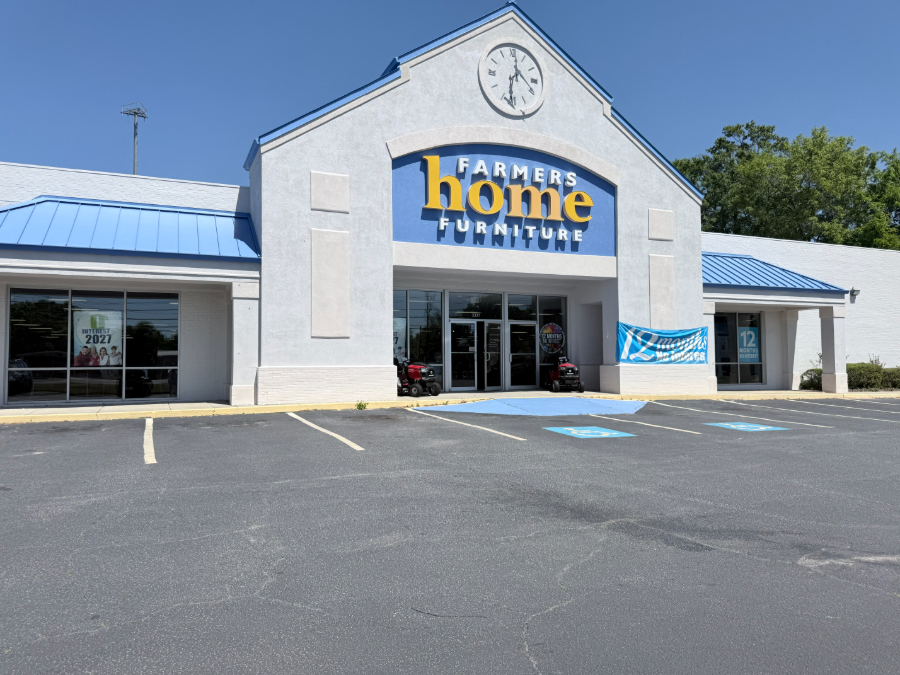
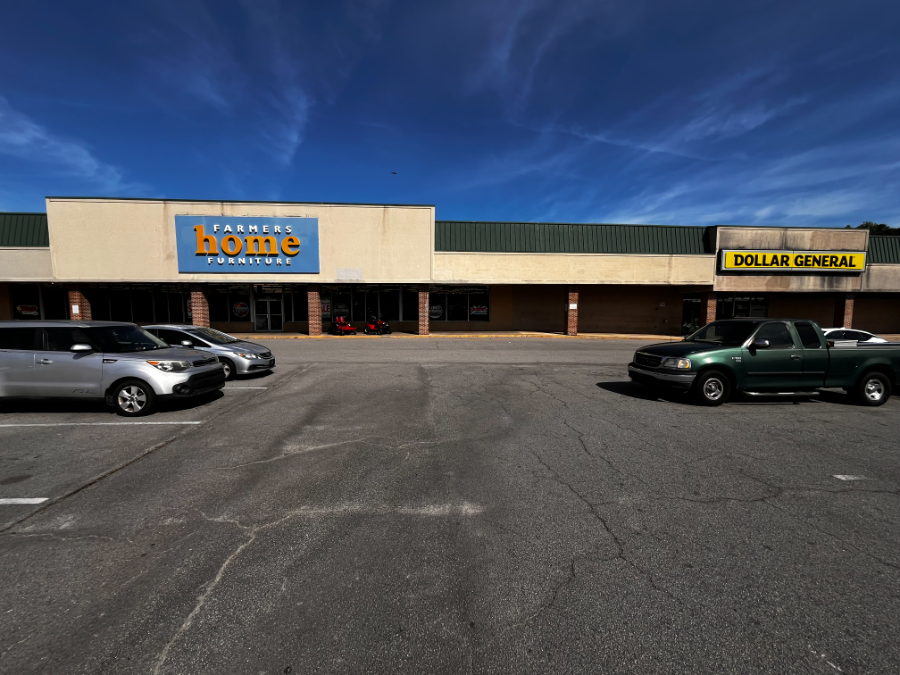
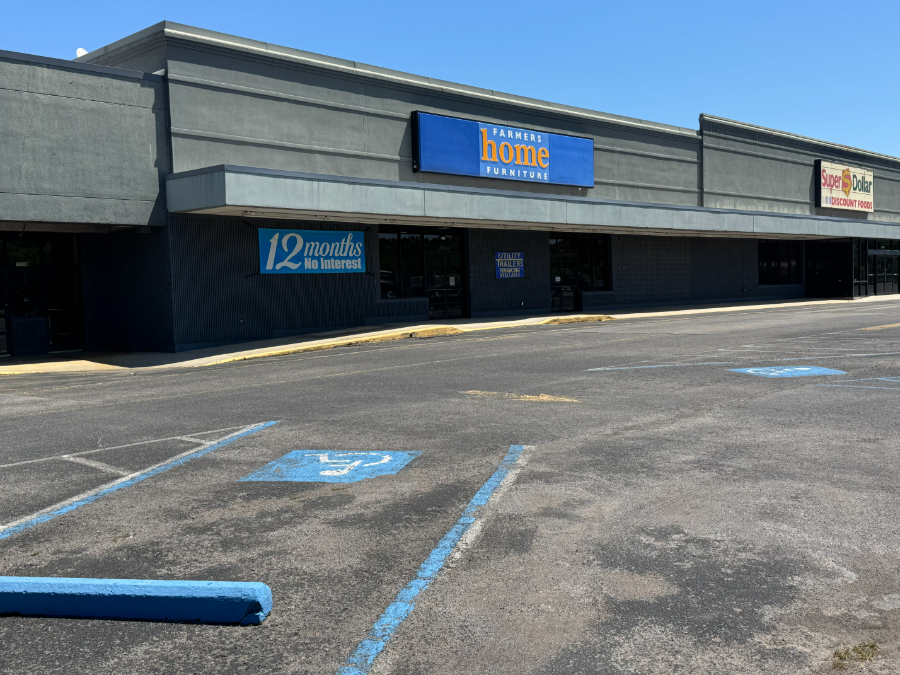
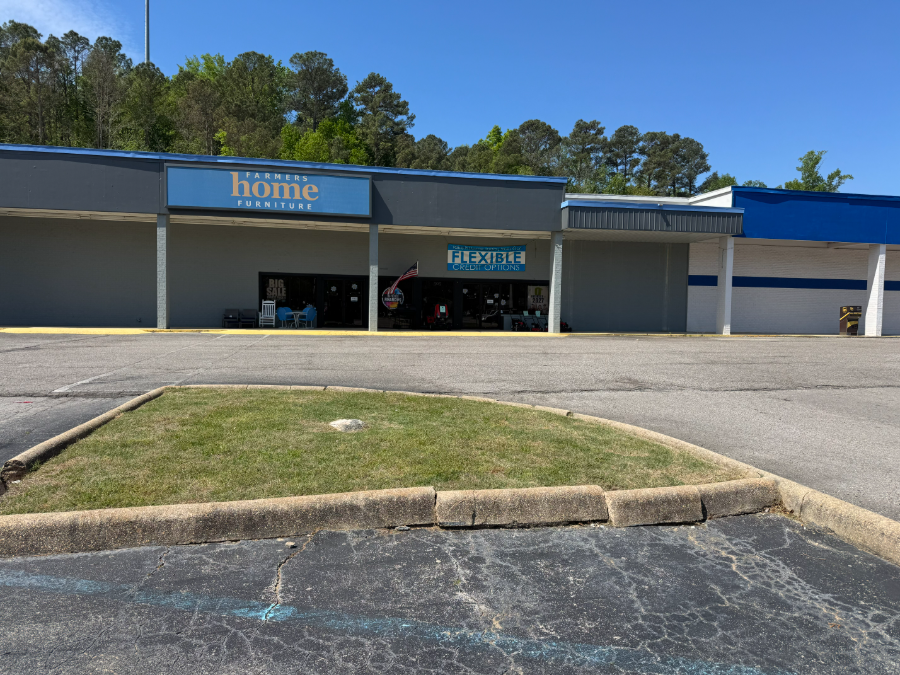
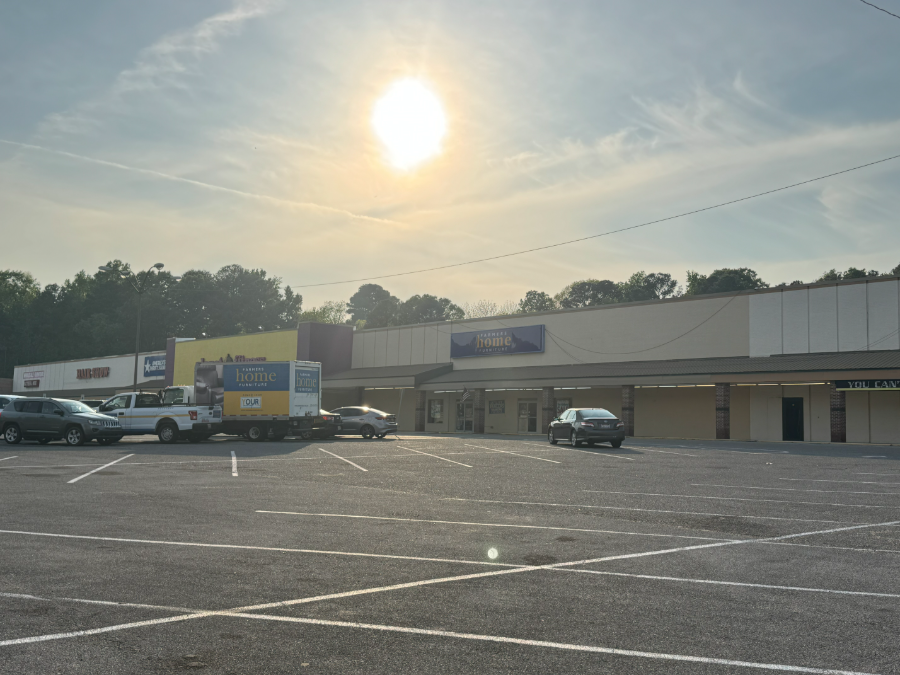
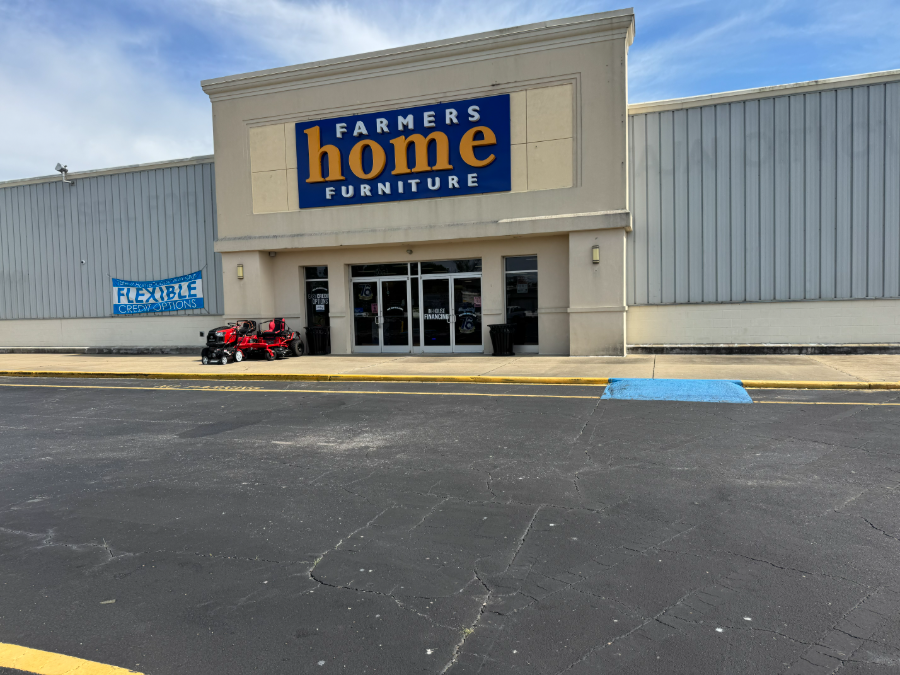
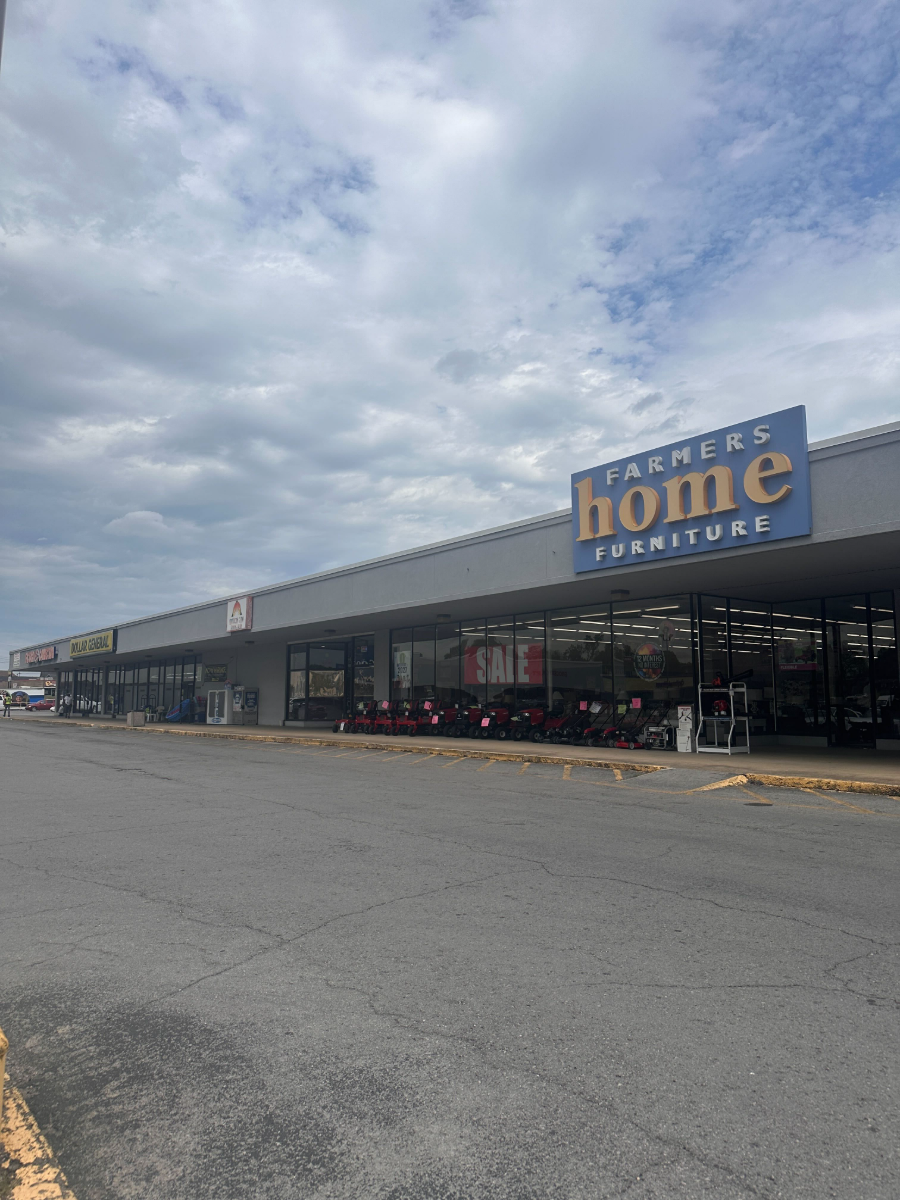
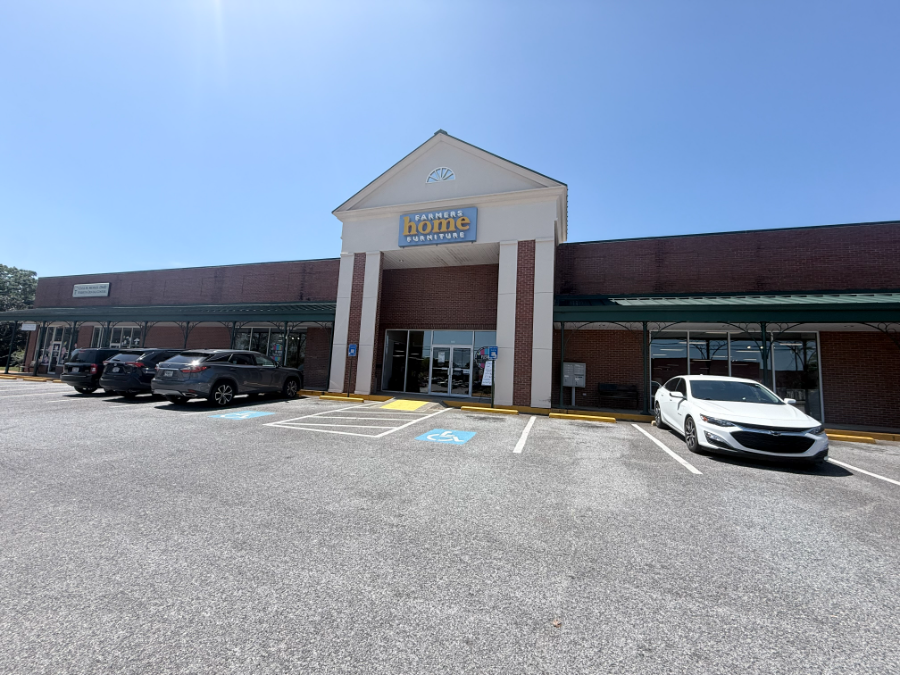
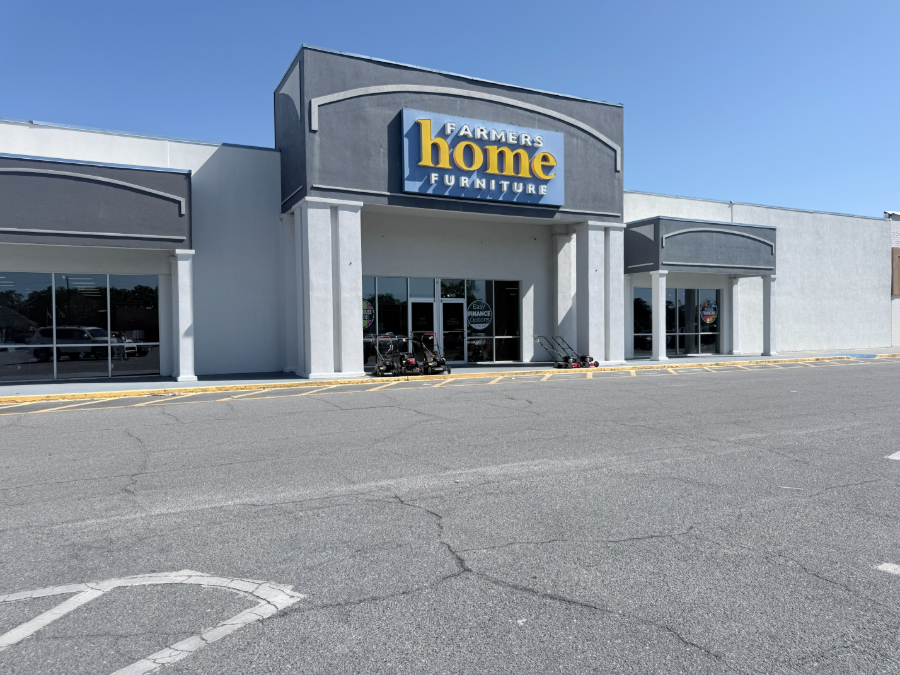
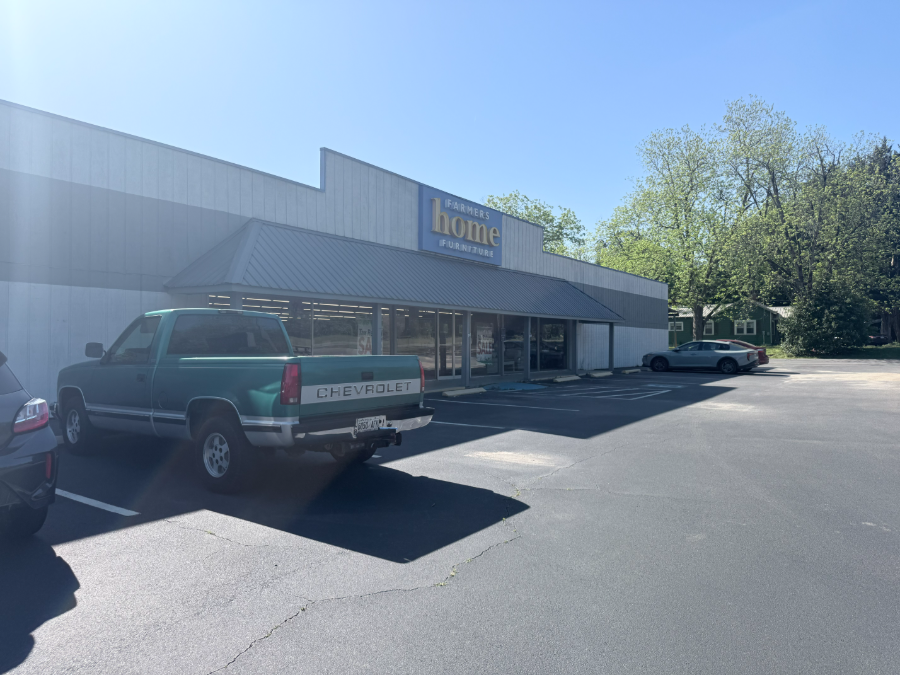
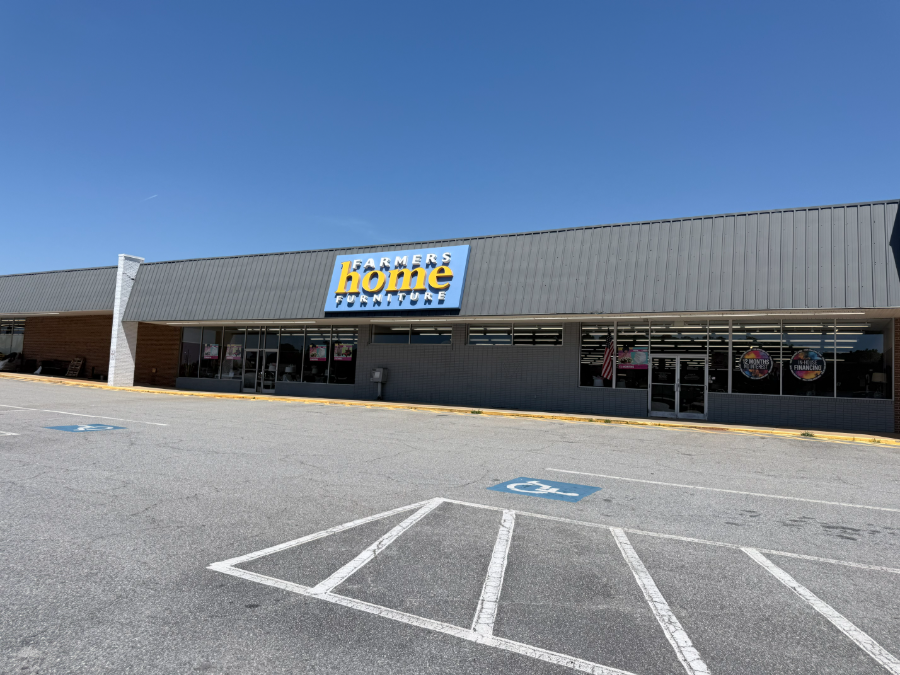
Most stores sit in practical retail environments, beside grocery anchors, Tractor Supply, auto parts, discount stores, thrift, or fast food. Inside, the experience often begins with bright fluorescent lighting, broad open floors, financing signs, and a comfort-first assortment.
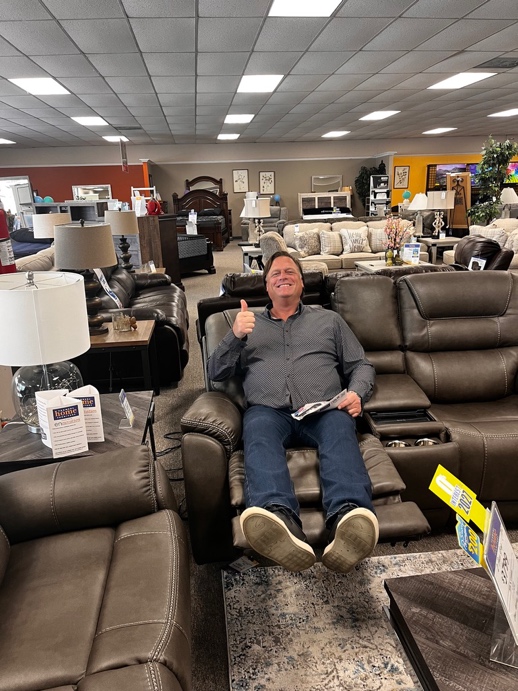
Each store became something much more meaningful as soon as a Farmers Home associate stepped in. The most memorable moments from the trip were rarely about the merch or location. They were human. A joking invitation to “take a nap” if the chair was comfortable enough. A product recommendation tied to someone’s own house. A conversation about a town, a family, a local event, a delivery pattern, or how people really live.
The stores were at their best when they presented friendly local people helping guests build a better home.
Pell City, AL
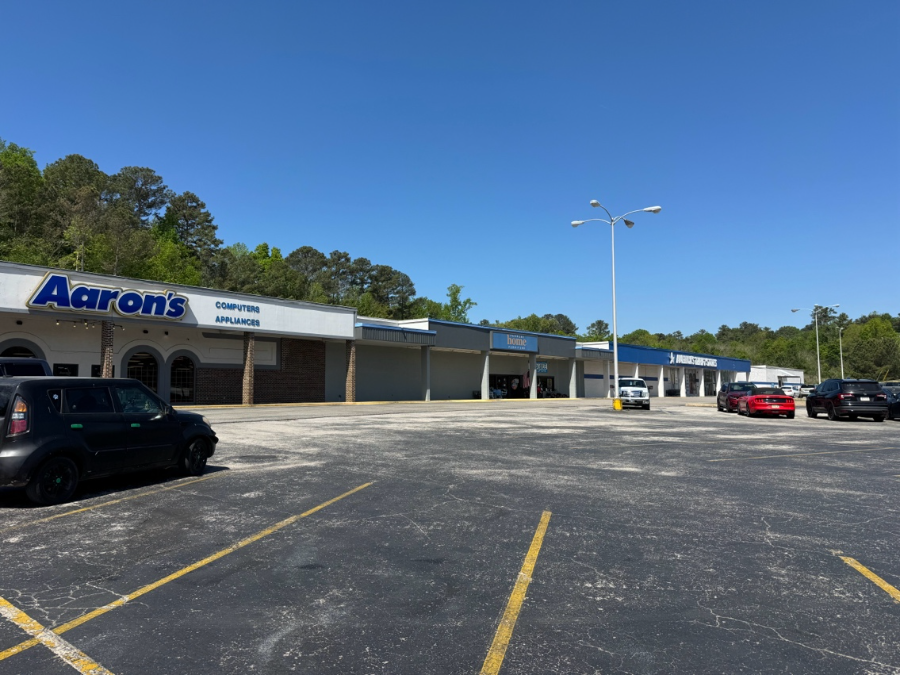
We found Farmer’s Home smack between competitor Aaron’s and an America’s Thrift Stores location. Stores were often located near competitors and other value offerings like dollar and thrift stores.
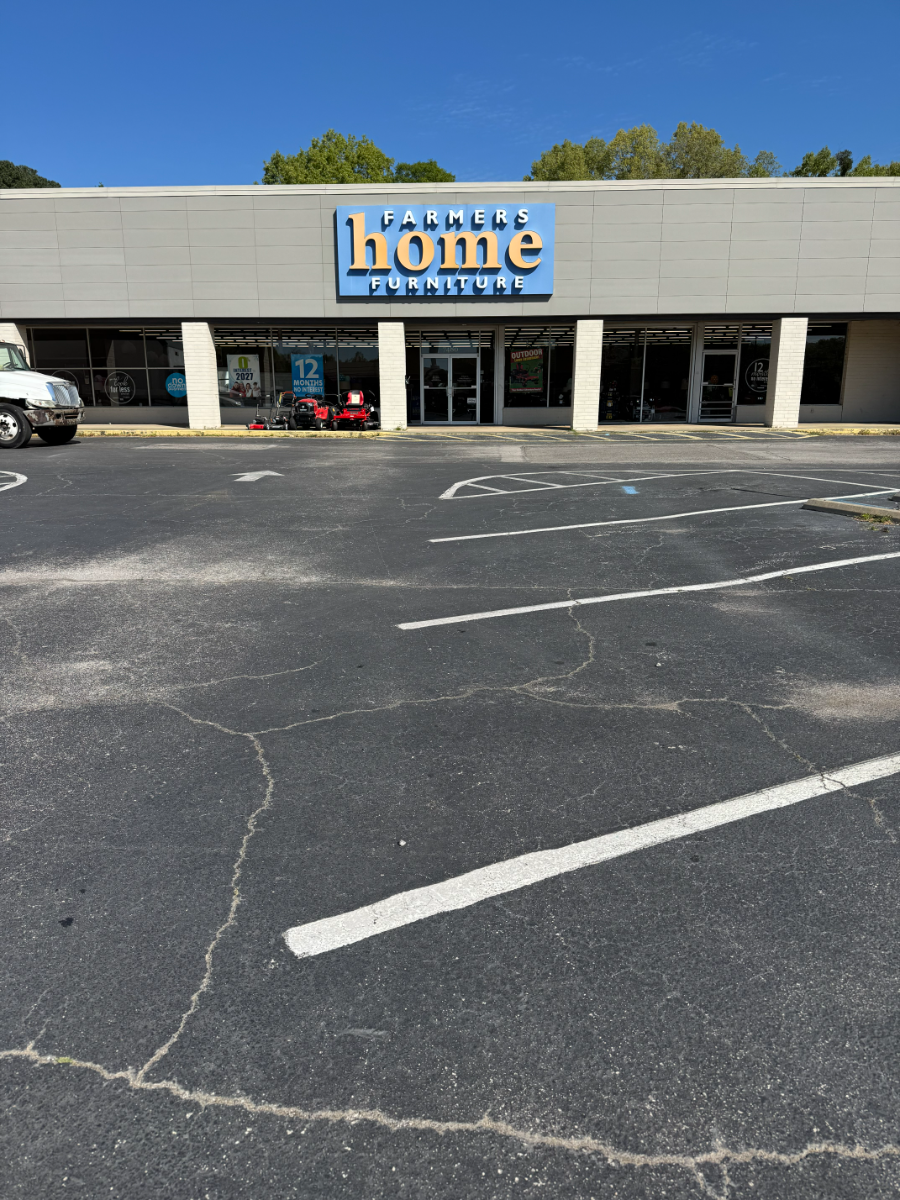
Cochran, GA
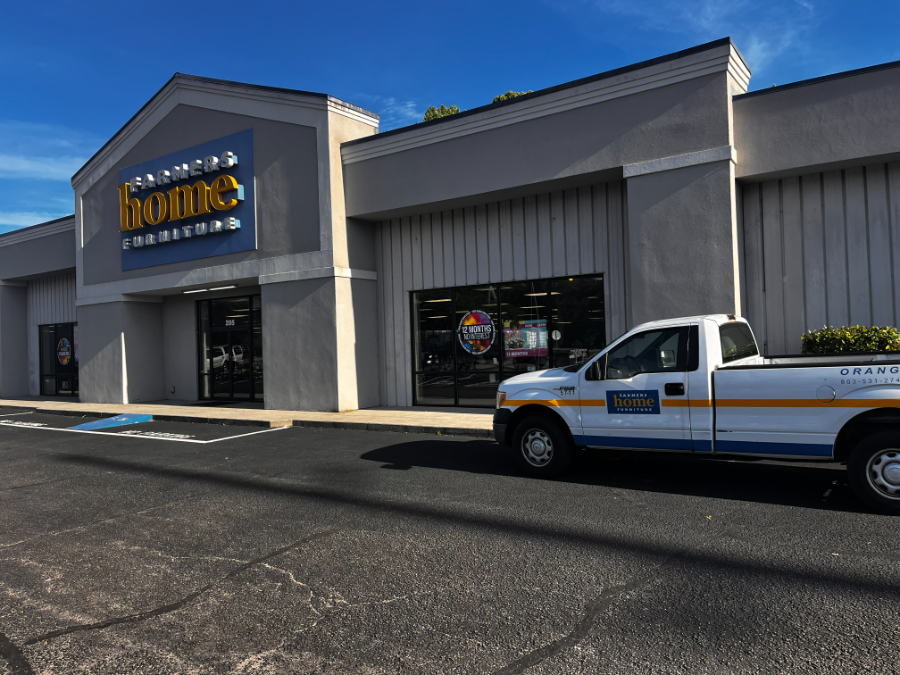
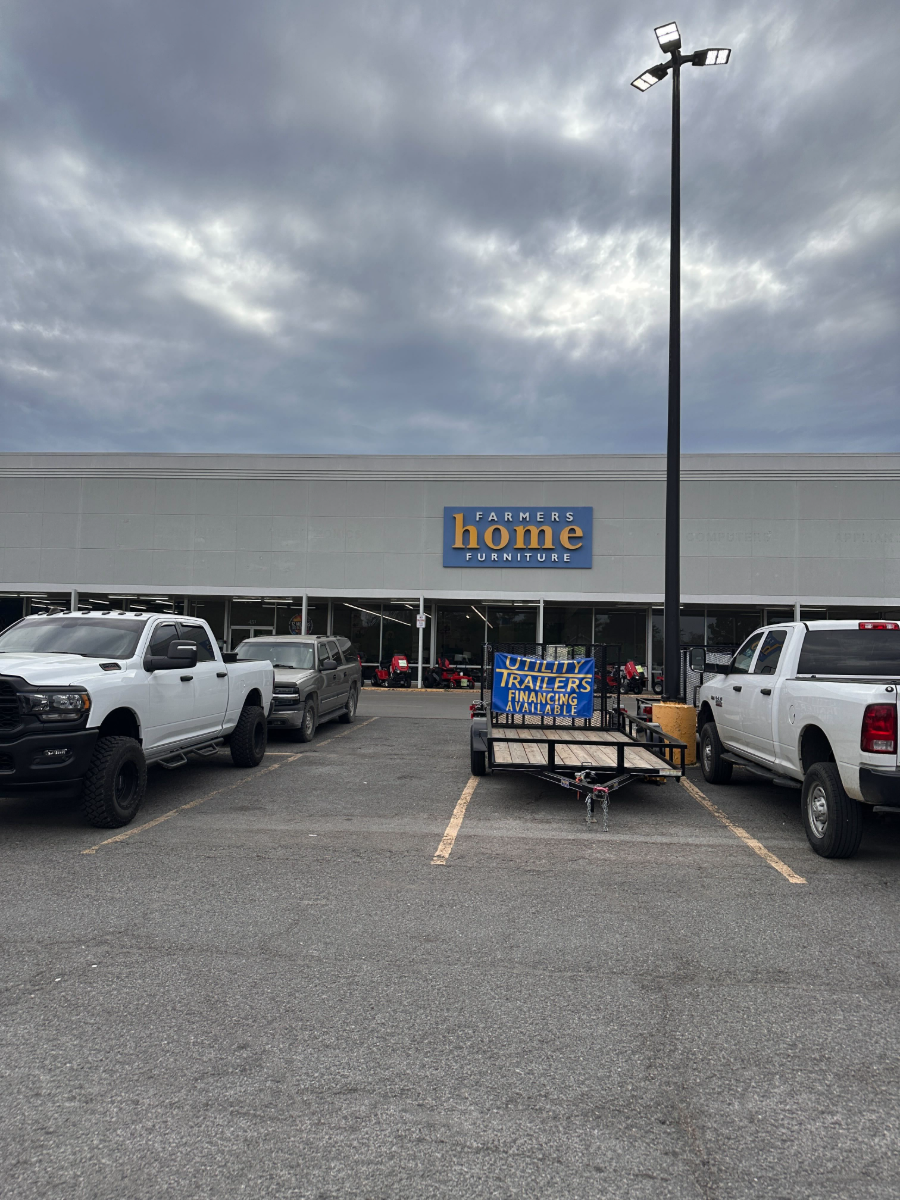
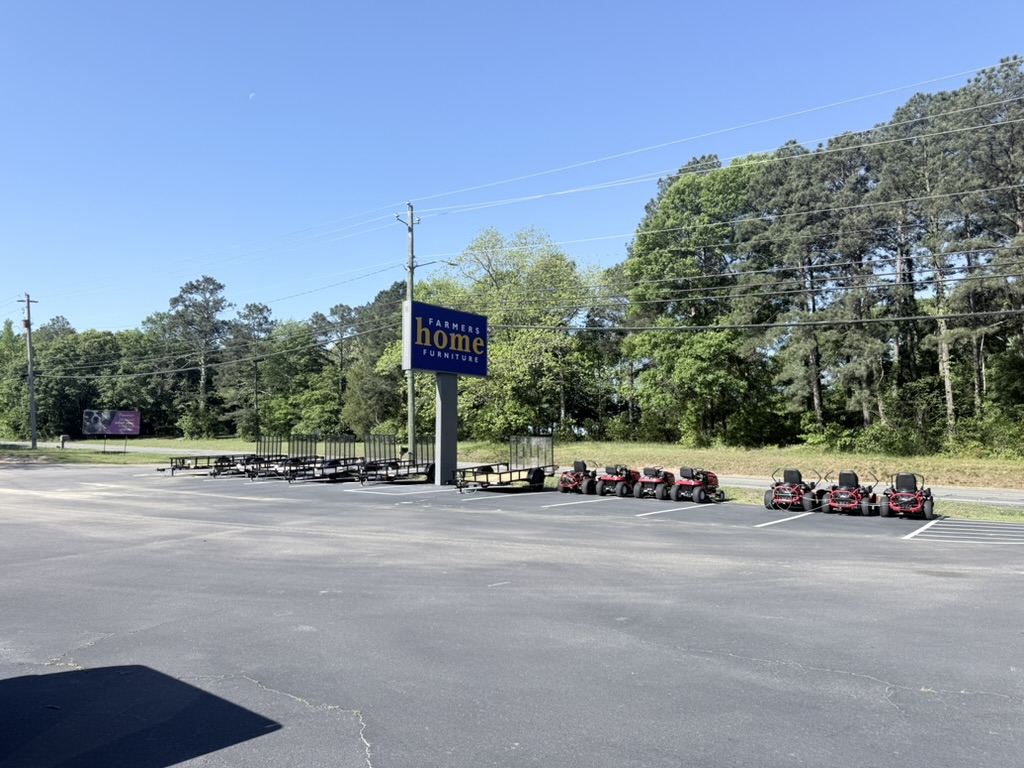
Every location carried mower and trailer equipment, a clear sign that the brand continues to serve the farmers for which it’s named.
03 / Strengths
The brand’s surprises are its strengths.
Cayce, SC
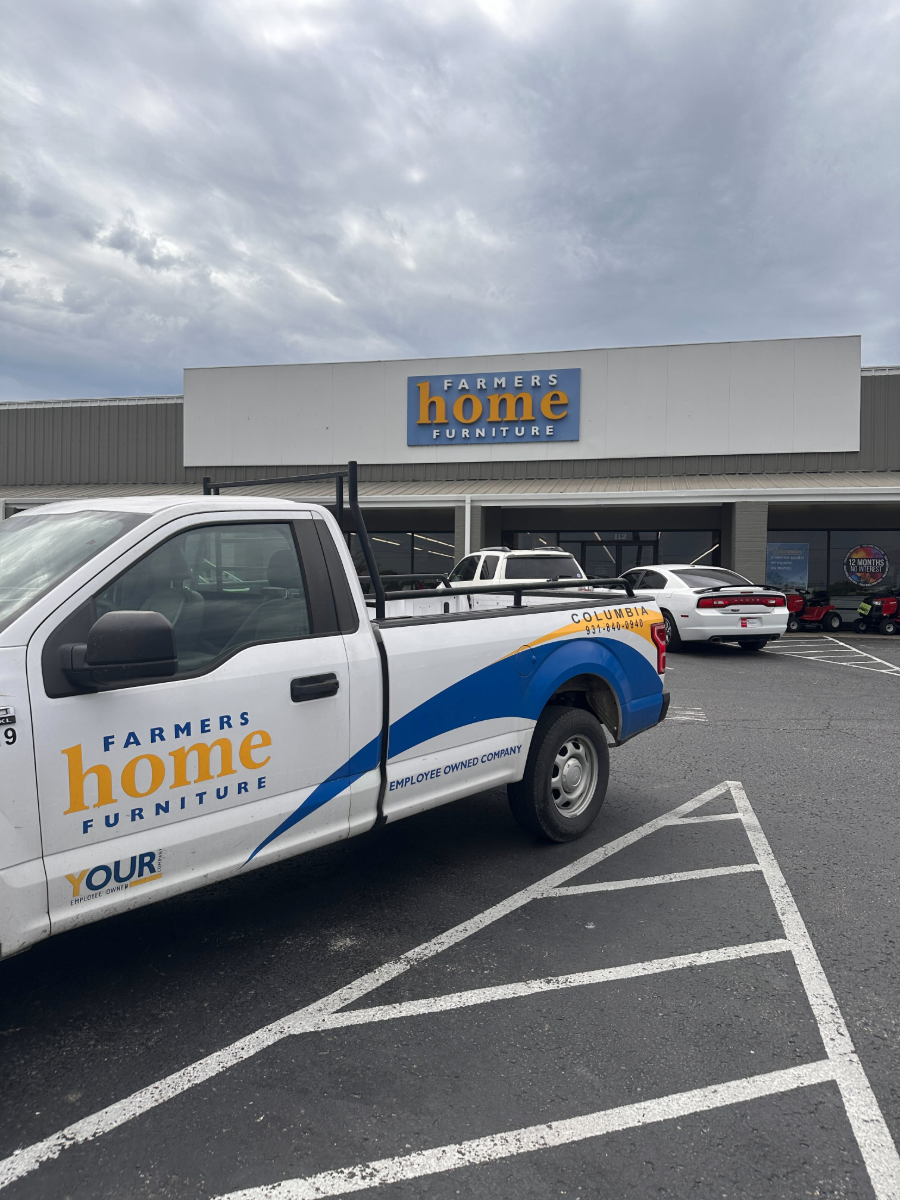
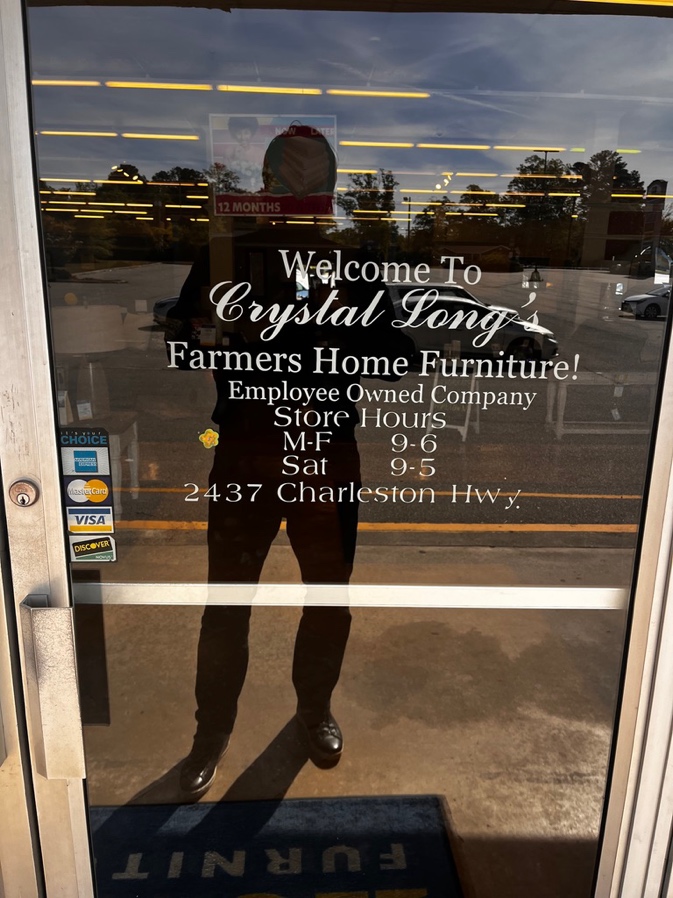
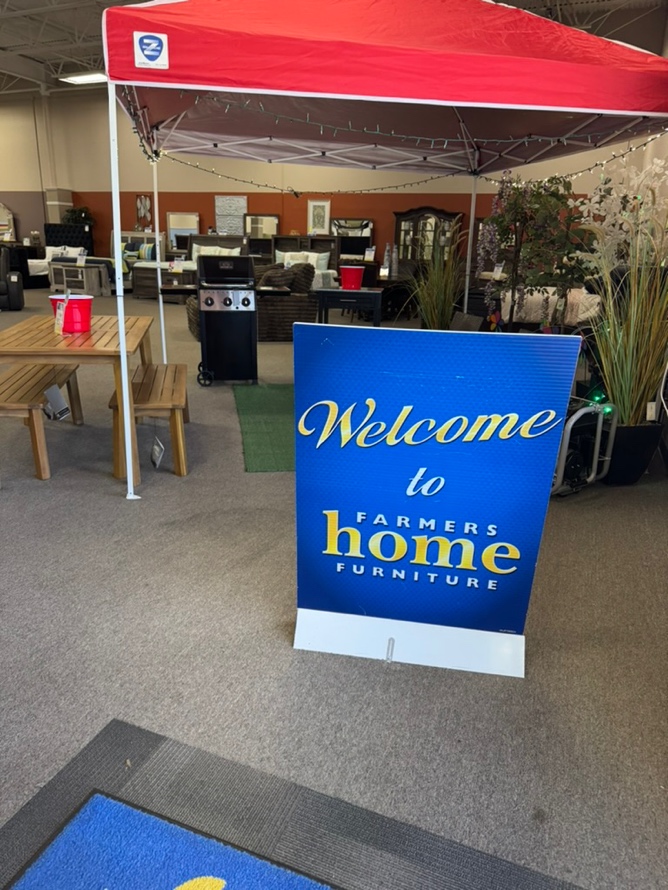
Signage acknowledging employee ownership helped tell the brand story on the front doors of many locations, offering guests a personal welcome.
People make the difference.
Across markets, the strongest expression of Farmers Home was not a fixture, a sign, or a product category. It was a person. When the associate was warm, candid, and easy to talk to, the brand immediately felt more distinct. The best associates made the experience feel neighborly rather than transactional.
Within moments, at every store without fail, we were greeted by an associate or a manager. They said “Hi, I’m (first name), what’s your name?” They smiled and asked what brought us in. They weren’t clingy — but interested in getting us what we needed, with warmth and relaxation. Clearly training is consistent, and time is taken to assure the stores are manned with people who are carefully selected to care.
One store advertised “Smiling Faces Wanted” as part of associate attraction. We found that sentiment to be true with everyone we met. Doors are branded with the name of the manager and the ESOP message is present.
Financing is both practical and emotional.
Financing messaging is ever-present, and while its delivery was not always perfect, its role in the business is unmistakably important. Farmers Home clearly understands that for many of its shoppers, affordability is not just about price — it is about possibility. That is a real advantage, especially in smaller markets and for customers trying to make practical progress on a home without waiting for some ideal future moment.
There’s huge potential to turn the financing process and solutions into a strategic advantage that others won’t replicate.
The assortment and hometown touch say “we understand you.”
The merchandise is modern, but not design-forward. It is aimed at building a solid household: comfort-seeking, family-scaled, budget-aware, Southern, practical. It feels built for real use, not showroom fantasy. It clearly communicates the quality the guest is paying for.
We were impressed that the stores are selling more than furniture. Bedding, appliances, electronics, mowers, and other home-adjacent goods give the brand a broader role in home life than the name alone might suggest.
When employee ownership, local trust, and small-town relevance are dialed up, they truly warm and underscore the experience — associate tenure, delivery pride, store history, founder story used with intention, community references, and other signs that this is not simply a furniture showroom in a town, but a store that belongs there.
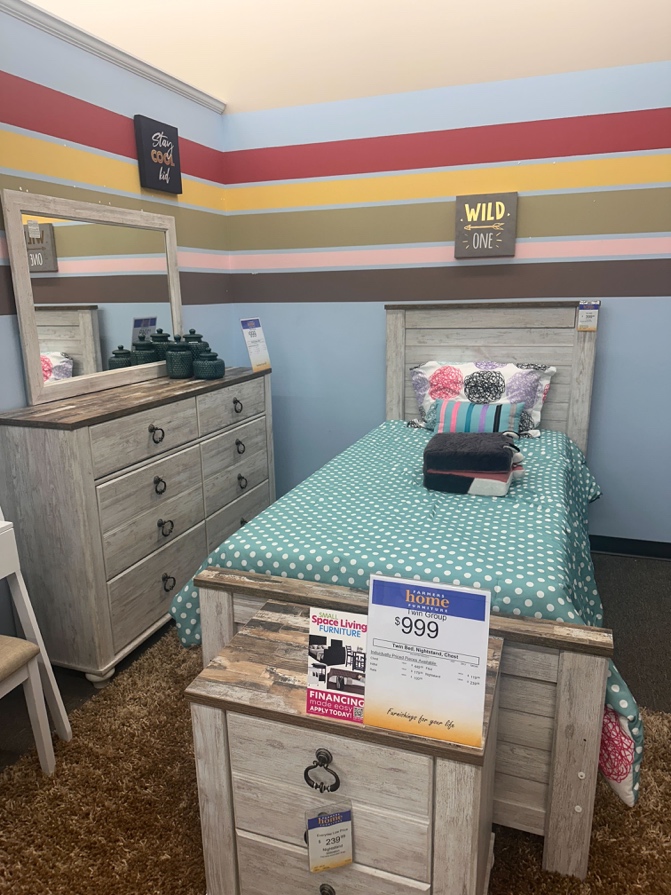
Shelbyville, TN
A child’s bedroom display showed how associates intentionally curated a section of the store to make it feel like a real home.
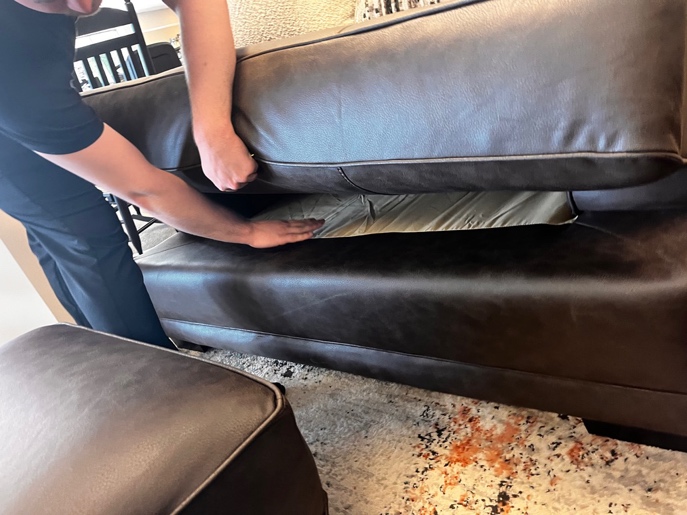
Adamsville, AL
More than just a furniture store, we found Farmer’s Home stocked equipment and product that reflected the desires of their local guests.
04 / The weakness
Consistent delivery for today’s marketplace.
Your pitch prep document describes a furniture category operating in a difficult recovery phase. The headline issues are familiar but serious: a stalled housing environment, hesitation around big-ticket purchases, tariff and supply-chain uncertainty, rising digital expectations, labor complexity, and increasing pressure around traceability, durability, and anti-fast-furniture sentiment.
On the ground, that means fewer people are furnishing whole homes at once, more shoppers are delaying large purchases, margins are harder to protect, and expectations have been raised by players like Wayfair, Amazon, IKEA, and Rooms To Go.
Through our experience with the stores thus far, we believe the points of difference you outline are the right keys for the brand:
Hometown heart — rural / small-town relevance.
Employee ownership — people who really care and show it in warm service.
In-house financing — providing access for what guests really want.
The challenge will be setting these differences apart in a way that builds business — connecting the emotional and rational advantages of the brand together, consistently, in a way that optimizes this audience.
Bessemer, AL
Quiet weekday lots and a category still working its way through a stalled housing environment — the backdrop for everything we saw.
05 / Areas to address
Some areas to address.
Associates aren’t equally informed.
South Carolina
Store associates were consistently kind and helpful on the showroom floor.
Most associates were knowledgeable about the products in the store, but not equally fluent in guiding a larger purchase or drawing out the guest’s real needs. Some mentioned the weekend sale and what was included, and some didn’t. Overall, depth of knowledge could make the difference between a browsing experience and a true shop.
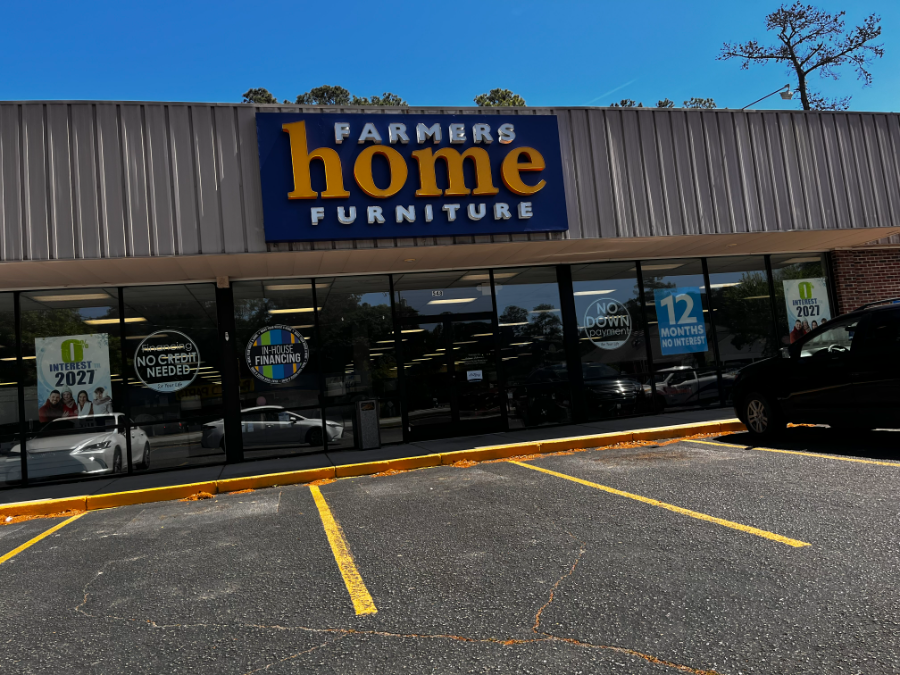
The financing story and options are a huge point of leverage. In several stores, financing was the clearest thing being communicated in signage. However, the process and solutions were explained wildly differently by associates and managers. Clarity and sharpness — and the message that financing is part of the feeling that Farmers Home “has your back” when building your home and credit — holds high potential.
The store speaks — and it either supports or deflates the experience.
In most locations, the associate has to do the work the environment is not doing. Many stores felt generic, like they could be anywhere and for any brand — financing-forward signage that overpowered the room, limited community storytelling, only minor visible proof of employee ownership or local embeddedness, and merchandising that was missing a feeling of homeyness. Some stores felt clearly cared for, while others felt flatter, more cluttered, or more transitional.
If the store feels generic, Farmers Home gets pulled toward the hardest version of the category: competing on price, financing, and convenience in a market already under pressure.
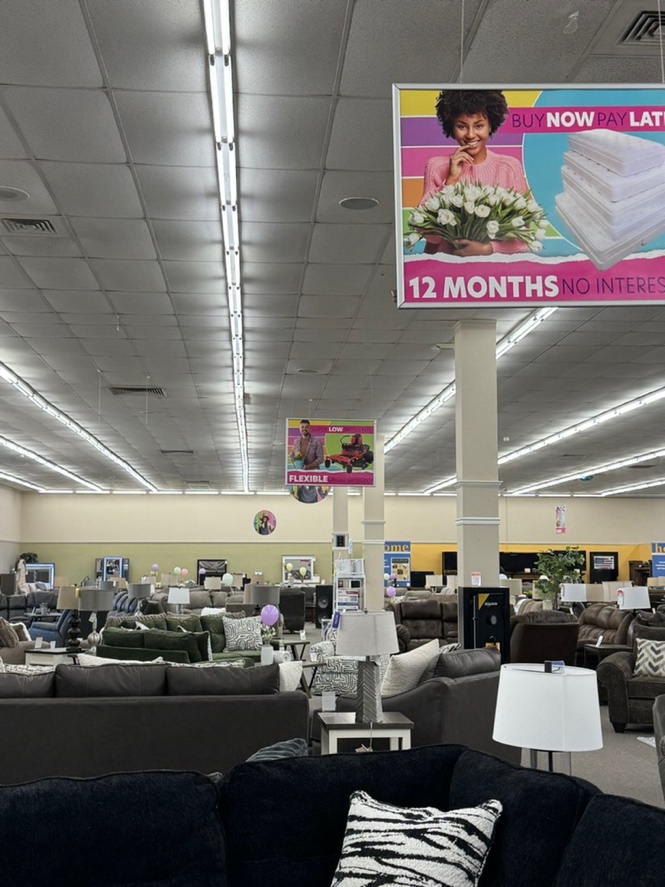
Pell City, AL
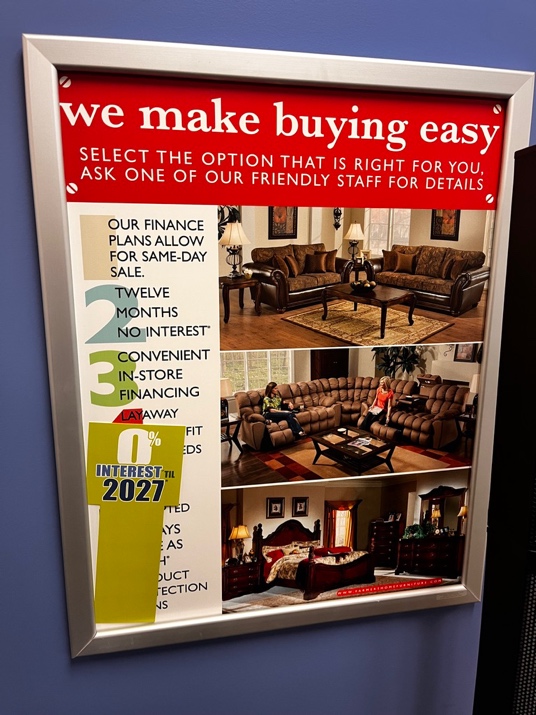
Financing signage was consistently the most prominent brand messaging throughout the stores. It threatened to overpower the warm environment associates work hard to create.
Macon, GA
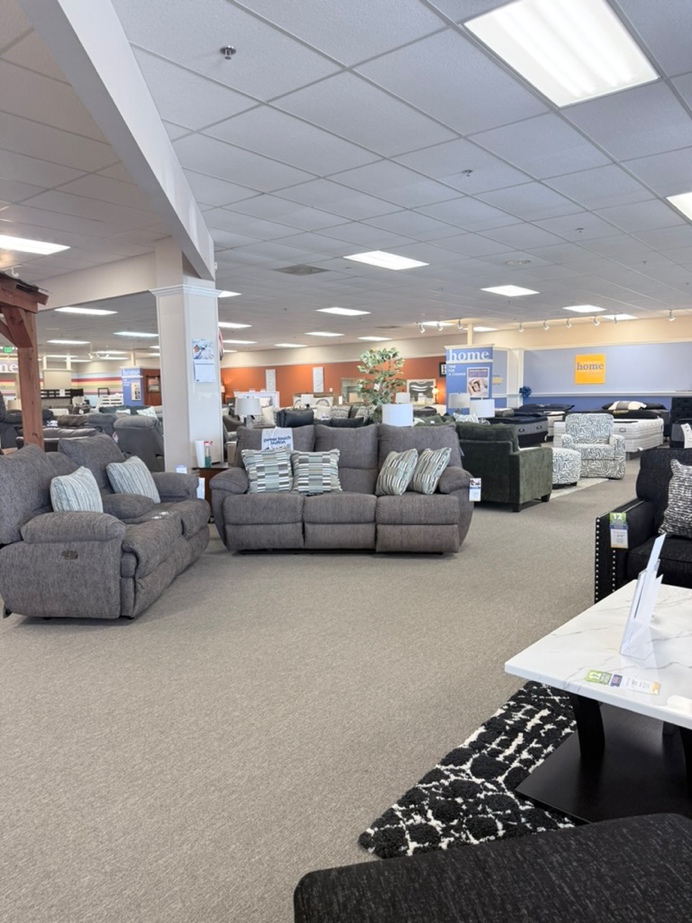
While generally well kept, interior showrooms run the risk of looking generic. Homey touches in several stores stood out for their thoughtfulness.
Shelbyville, TN
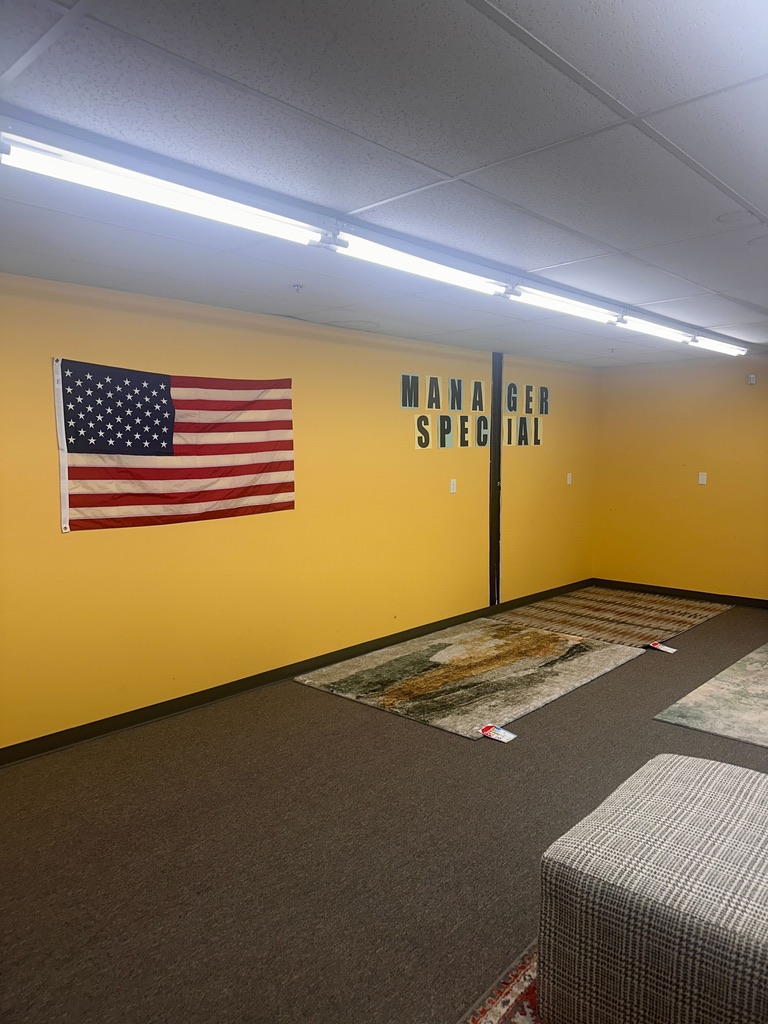
Dreary clearance rooms often contrasted the bright energy and light of the showroom floors.
Connecting online and offline shopping has untapped potential.
The prep document notes that guests increasingly expect visualization tools, browse-online / buy-in-store ease, and more transparent delivery experiences. In our view, Farmers Home doesn’t need a cutting-edge digital presence — it needs to clearly connect the online and offline shopping experience.
Only one associate in all our trips informed us that a financing prequalification tool existed on the site. Using this tool could give guests a lot more confidence to continue — or even upgrade — their purchase.
Being able to “heart” or save options and share those options with a store associate could help associates anticipate and even prepare for a guest’s visit.
There are endless ways to make clear that the site is about preshopping, and communicating desires and intent to the store itself.
Field observation
Financing knowledge was inconsistent across store locations, but we found plenty of signage offering payment options and terms.
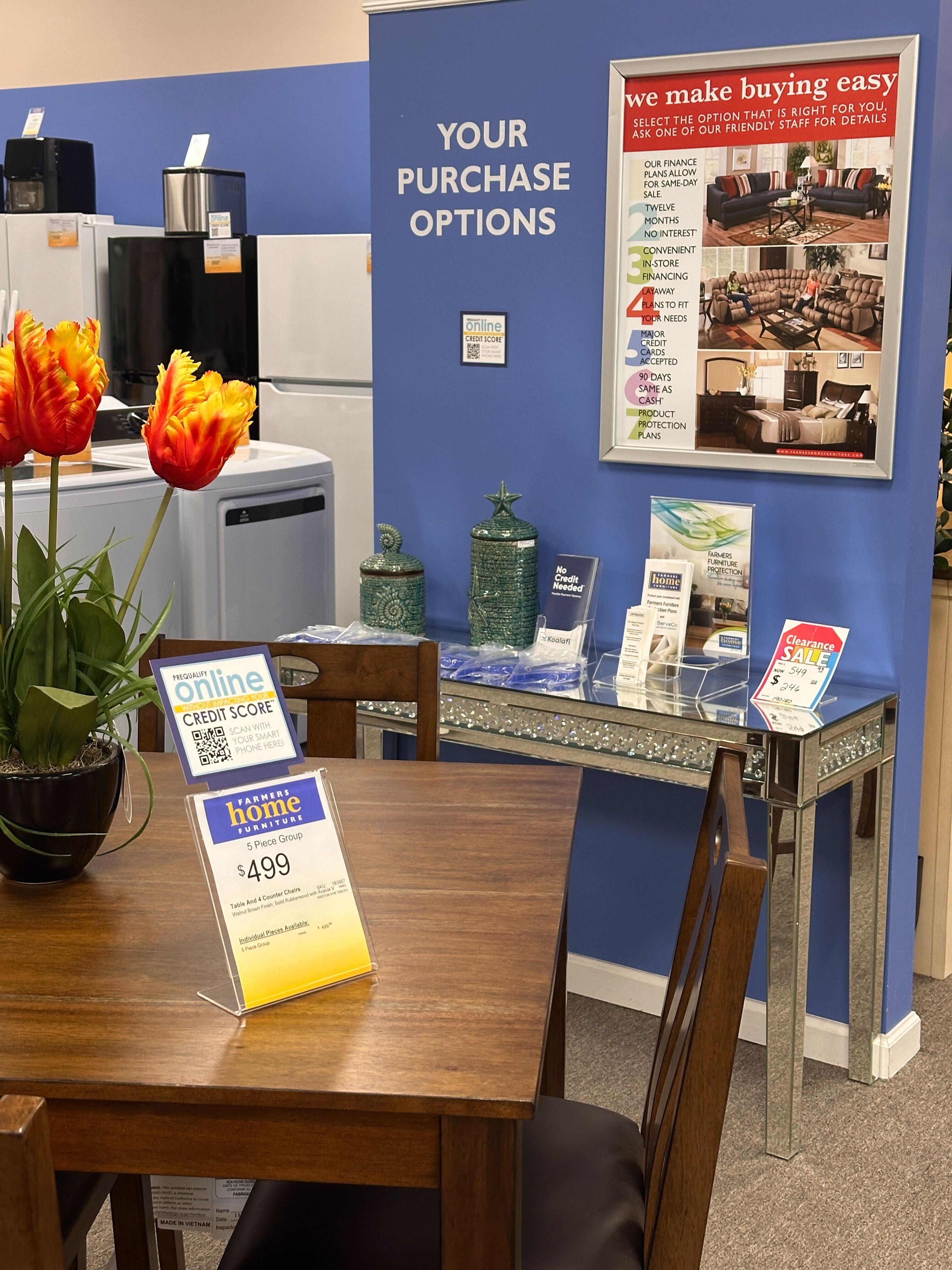
Lewisburg, TN
The option to prequalify before visiting the store, advertised here in Lewisburg, TN, can put the guest in the mental state to purchase before arrival.
06 / Tl;dr
Incredible potential with a need to connect the dots.
What we saw on the ground is encouraging, but incomplete. The brand’s strongest asset is relational. Its best moments are human. Its stores do not yet always express that strength clearly enough.
The opportunity is not to become trendier, nor more corporate. It is to become more legible, more local, and more emotionally true to the promise already sitting inside the name.
Thank you for the opportunity to live your brand and share our experiences.
— The PETERMAYER Team
Appendix / The route
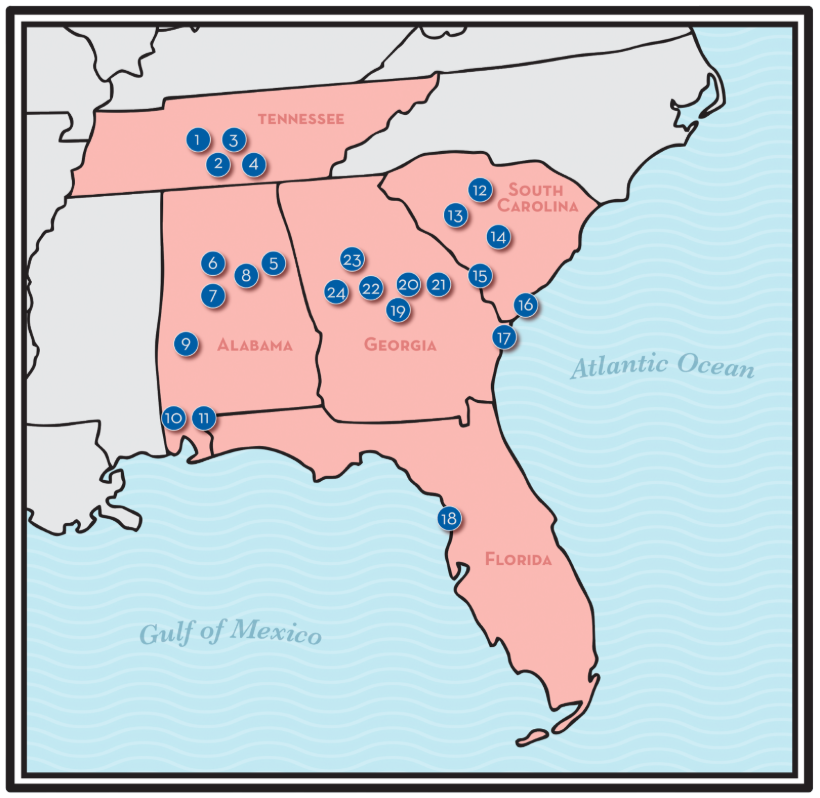
Store locations visited.
Twenty-four Farmer’s Home Furniture stores, across five states. Numbered to match the map.
24 locations across Tennessee, Alabama, Georgia, South Carolina, and Florida.